
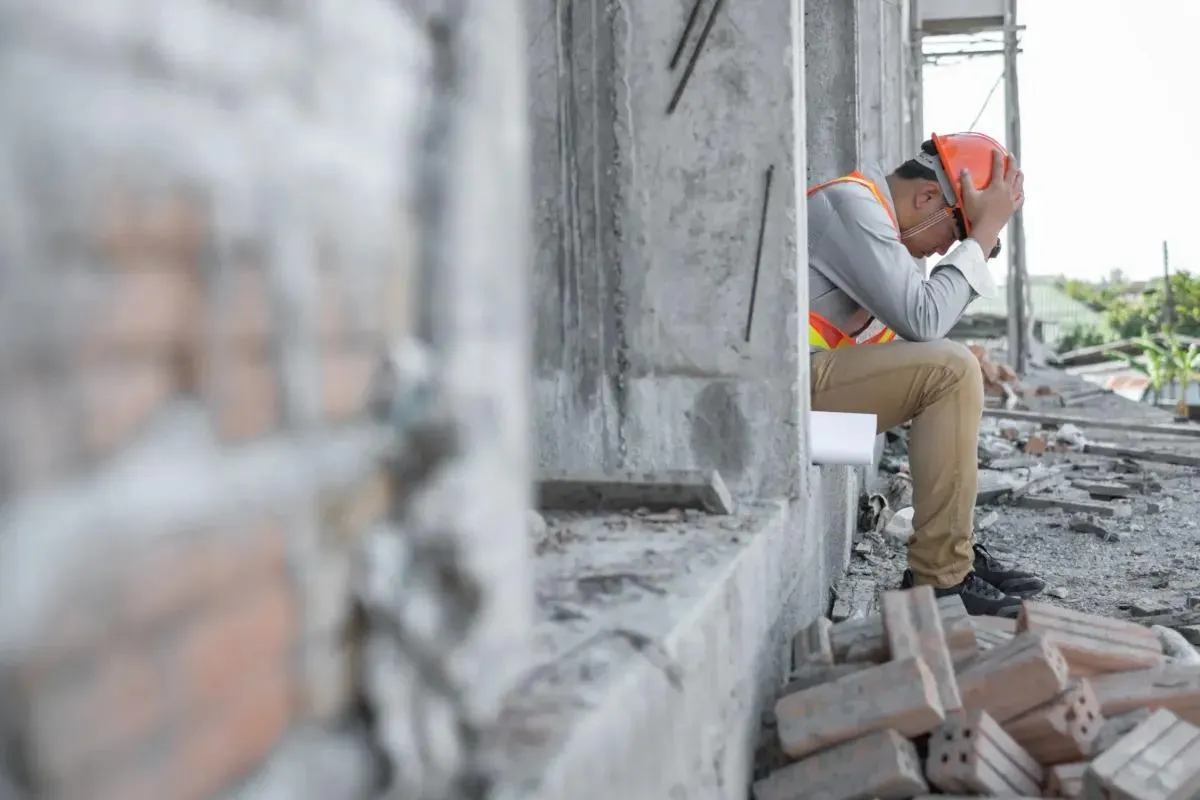
Mental Health Support for Injured Workers in Washington State
Mental health support for injured workers is an important part of recovery after a workplace injury. Emotional stress, anxiety, depression, and isolation can affect healing just as much as physical pain.
Many injured workers expect recovery to focus only on the body. However, a serious injury can also disrupt routines, relationships, finances, and confidence. Over time, these changes may affect emotional well-being and make recovery feel even harder.
At Convivio Health, we understand that recovery involves more than physical treatment alone. Our interdisciplinary rehabilitation team supports injured workers through both physical and emotional challenges that may develop after a workplace injury. In this article, you will learn why mental health matters during recovery, how rehabilitation can help, and what support options may be available in Washington State.
Emotional Challenges After a Work Injury Are Common
Emotional struggles after a workplace injury are common and can affect the recovery process. Many injured workers experience stress, frustration, anxiety, or depression while adjusting to pain, medical appointments, and time away from work.
For many people, work provides structure, routine, social connection, and financial stability. When an injury suddenly interrupts daily life, it can create uncertainty and isolation. Some workers begin to worry about supporting their families, paying bills, or returning to their previous roles.
In addition, chronic pain and limited activity can increase emotional exhaustion. Workers may feel disconnected from coworkers, avoid social situations, or lose confidence in their physical abilities. Over time, workplace mental health recovery can become just as important as physical rehabilitation.
These feelings do not mean someone is weak or failing. They are normal responses to difficult life changes after an injury.
That is why early support matters. Addressing emotional health during recovery may help improve motivation, treatment participation, and long-term outcomes.
Mental Health Support for Injured Workers Can Improve Recovery
Mental health support for injured workers can help people regain confidence, manage stress, and stay engaged in recovery. When emotional health improves, many workers feel more prepared to participate in treatment and daily activities again.
At Convivio Health, rehabilitation providers take a whole-person approach to care. This means treatment may include support for both physical symptoms and emotional well-being. Recovery often works best when providers understand how pain, stress, sleep, fear, and daily function all affect one another.
Behavioral health intervention may help injured workers who feel overwhelmed, anxious, or emotionally stuck during recovery. These services provide a safe and supportive space to talk through challenges connected to the injury experience.
Some injured workers may also benefit from rehabilitation psychology services or neuropsychological evaluation. These services can help identify cognitive, emotional, or behavioral changes that affect recovery and daily life.
Furthermore, workers' compensation mental health support may play an important role when emotional symptoms begin interfering with treatment progress or return-to-work goals.
The goal is not simply to reduce symptoms. The goal is to help injured workers feel supported, capable, and connected throughout recovery.
Rehabilitation Can Help Workers Rebuild Daily Life and Function
Return to work rehabilitation helps injured workers rebuild physical function, emotional resilience, and confidence after an injury. Recovery often becomes easier when care focuses on both health and daily life goals.
Some workers return to their jobs quickly. However, others need a gradual process that supports healing over time. Rehabilitation programs may include physical therapy, occupational therapy, behavioral support, cognitive services, or structured work rehabilitation.
In many cases, emotional recovery improves when workers begin regaining independence and routine again. Small steps forward can help reduce fear, improve confidence, and restore a sense of control.
Additionally, coordinated care helps providers identify barriers that may slow progress. Pain, poor sleep, anxiety, memory concerns, and fear of movement can all affect recovery. An interdisciplinary approach allows teams to address these concerns together rather than separately.
At Washington State Department of Labor & Industries, injured workers can learn more about available benefits, treatment options, and rehabilitation resources across Washington State.
Recovery may not always follow a straight path. Even so, the right support system can help injured workers move forward with greater stability and hope.
Conclusion
Mental health support for injured workers is an essential part of workplace injury recovery. Emotional health challenges are common after an injury, and they deserve the same level of care and attention as physical symptoms.
The recovery process becomes easier when workers feel supported, understood, and connected to the right rehabilitation services. Early care, coordinated treatment, and emotional support can all help improve long-term outcomes.
At Convivio Health, our team provides interdisciplinary rehabilitation services designed to support injured workers throughout every stage of recovery, including physical, emotional, cognitive, and return-to-work needs.
About the Company
Convivio Health provides interdisciplinary rehabilitation and occupational health services for injured workers throughout Washington State. The organization offers coordinated care programs that support physical recovery, behavioral health, cognitive rehabilitation, chronic pain management, and return-to-work rehabilitation.