Rebuilding Strength, Restoring Lives
At Convivio Health, we offer comprehensive brain injury rehabilitation designed to help you regain strength, confidence, and independence. Our expert team provides personalized care, guiding you toward a successful return to daily life.
Brain Injury Rehabilitation Built Around Returning to Work.
Comprehensive brain injury rehabilitation designed to help you regain strength, confidence, and independence. Personalized care, guiding you toward a successful return to daily life.
A concussion or brain injury can change life in an instant. For injured workers, that often means added urgency to return to work. Convivio Health is an L&I-approved BIRP provider in Washington State, built for cases that need coordinated, multidisciplinary care.
Recovery goes beyond physical healing, it is about rebuilding confidence, restoring independence, and adapting to new challenges. At Convivio Health, our interdisciplinary team integrates physical, cognitive, and emotional therapies to support individuals in reclaiming their lives after injury.
Brain injuries can affect multiple systems at once, including movement, thinking, communication, emotional regulation, and endurance. Symptoms may change over time and impact work, relationships, and daily routines. A structured rehabilitation program helps identify challenges and provide coordinated care that evolves with the recovery process.
Understanding Brain Injury Rehabilitation
What It Involves:
The brain injury rehabilitation program is a structured, goal-driven process that supports recovery by addressing physical, cognitive, emotional, and functional challenges together. Rehabilitation focuses on helping individuals relearn skills, develop adaptive strategies, and improve the ability to perform everyday tasks at home, work, and in the community.
Care is guided by ongoing assessment and adjusted as progress is made, ensuring treatment remains aligned with individual needs and recovery goals.
Why It’s Important:
Early intervention is essential. Timely, coordinated rehabilitation can reduce patient distress, support more efficient recovery, and lower the risk of long-term functional limitations or prolonged symptoms.
Why a Program-Based Approach Matters:
Brain injury recovery is rarely linear. Symptoms may fluctuate, and progress in one area can affect another. A coordinated rehabilitation program allows providers to work together, ensuring therapies are aligned and focused on functional outcomes rather than isolated symptoms.
This integrated approach supports safer recovery, clearer progress tracking, and more meaningful improvements in daily life.

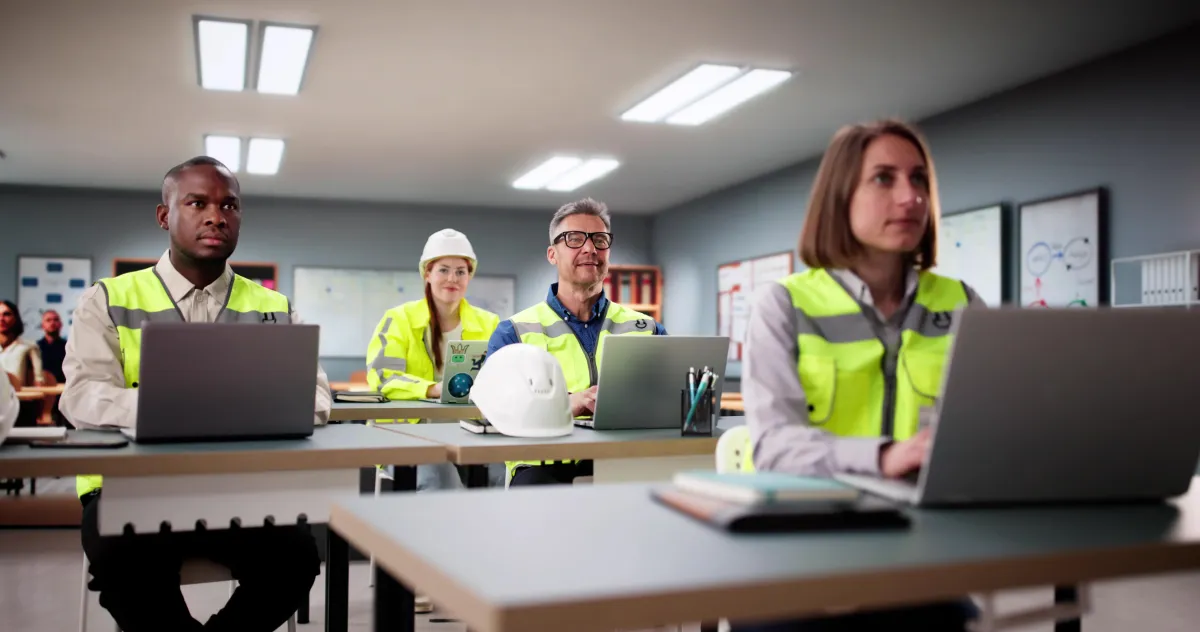
Return-to-Work & Vocational Rehabilitation
Goal: Assist patients in transitioning back into the workforce by rebuilding job-related skills and confidence.
Returning to work after a brain injury often requires gradual reconditioning, problem-solving strategies, and coordination between healthcare providers and employers to ensure appropriate support.
Therapies:
Job skills training tailored to individual abilities
Adaptive strategies for workplace challenges
Employer coordination to ensure a smooth reintegration.
Why It Matters:
Returning to work after an injury can be challenging, but structured vocational rehabilitation helps individuals regain independence and financial stability.
Physical Rehabilitation & Mobility Recovery
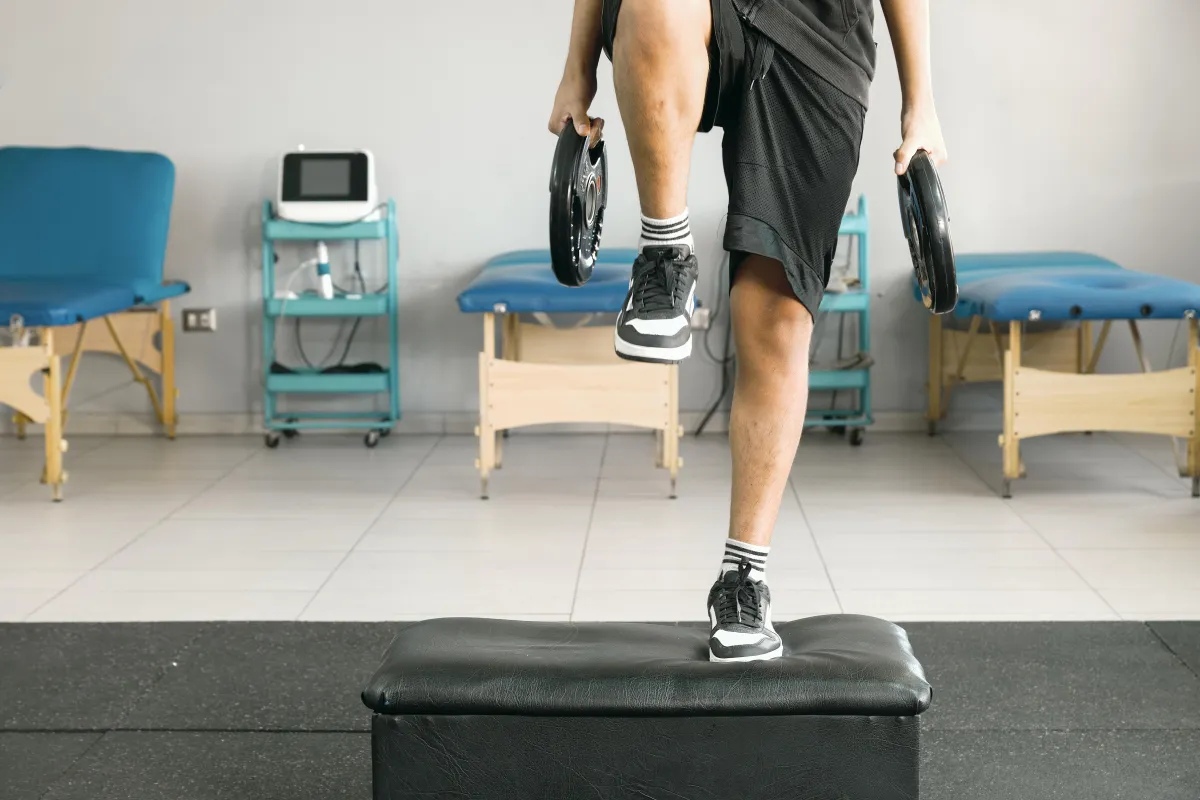
Goal: Enhance strength, coordination, and balance to restore mobility and independence.
Physical challenges after brain injury can affect balance, coordination, endurance, and confidence with movement. Rehabilitation focuses on restoring safe movement patterns while reducing symptoms that interfere with daily activities.
Therapies Offered:
Physical Therapy – Targeted exercises to rebuild strength, flexibility, posture, and functional movement patterns.
Vestibular Therapy – Specialized treatment to reduce dizziness and improve balance.
Mobility Training – Gait training, posture correction, and movement retraining to improve safety and confidence in daily activities.
Cognitive & Speech Therapy
Goal:
Improve memory, problem-solving abilities, and communication skills to enhance daily functioning and independence.
Cognitive and communication challenges may affect work performance, relationships, and everyday decision-making. Therapy focuses on strengthening thinking skills while introducing practical strategies to support independence and efficiency.
Therapies:
Cognitive Rehabilitation: Strengthening attention, memory, and reasoning skills through targeted exercises.
Speech Therapy: Helping patients overcome language difficulties, improve articulation, and regain effective communication.

Emotional & Psychological Support
Goal:
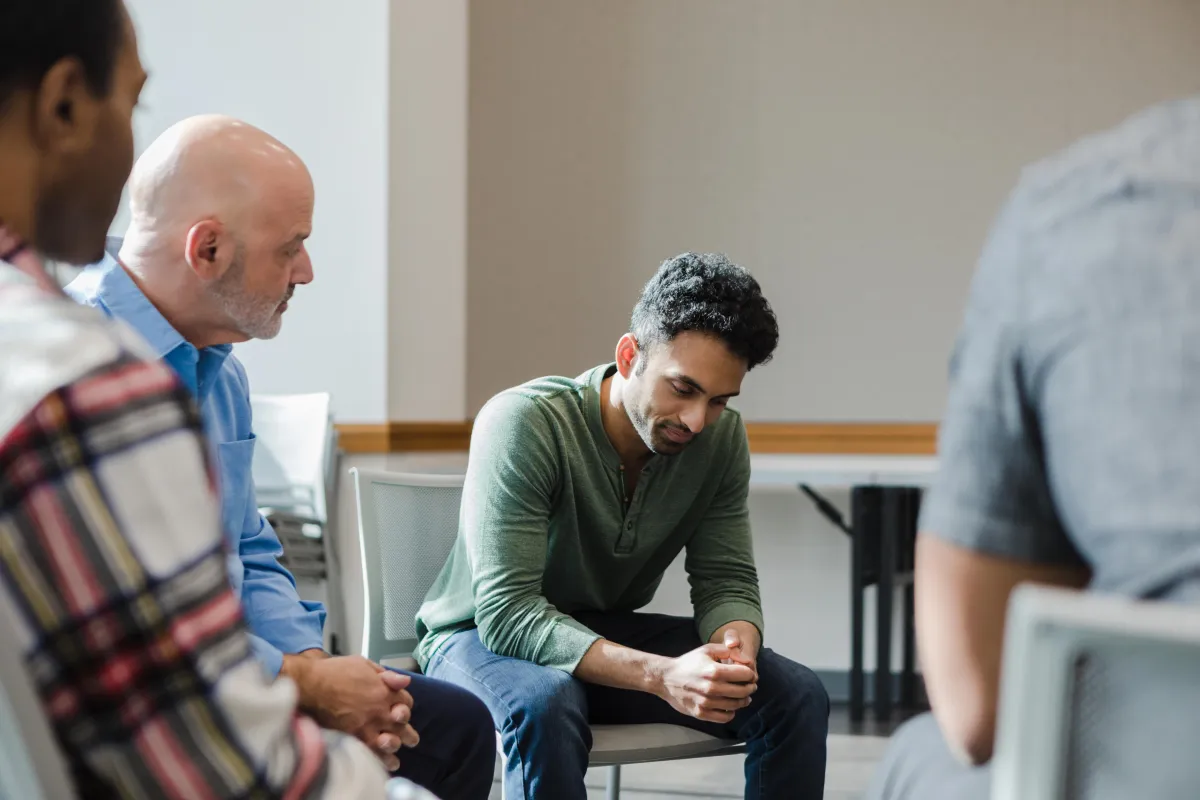
Support emotional well-being and help individuals cope with anxiety, depression, and emotional challenges during recovery.
Emotional changes are common after brain injury and can affect motivation, relationships, and recovery progress. Addressing emotional health is an essential part of comprehensive rehabilitation.
Therapy Include:
Peer groups for shared experiences and encouragement
Mindfulness training to reduce stress and improve focus
One-on-one counseling for emotional well-being as indicated
What to Expect From the Brain Injury Rehabilitation Program
A comprehensive evaluation to understand how the injury affects daily live
A personalized rehabilitation plan guided by clear, measurable goals
Ongoing coordination between providers
Adjustments to care as recovery progresses
Support focused on long-term function, not just short-term symptom relief
Patients and families are encouraged to participate in the rehabilitation process actively.
Program Length
The active phase of the BIRT Program runs Monday through Friday, 9:00 AM – 4:00 PM, for a total duration of 8 weeks.
Following completion of the active phase, patients may be recommended for a follow‑up phase based on individual need and potential for further progress. The duration and frequency of follow‑up services are determined on a case‑by‑case basis by the interdisciplinary care team.
The follow-up phase will last a maximum of 8 weeks.
Frequently Asked Questions
What is brain injury rehabilitation?
A head injury can impact daily functioning, emotional well-being, and sense of identity. Our program is designed to address these challenges through a comprehensive, evidence-based approach that supports recovery and promotes meaningful participation at home, in the community, and at work.
Why is early intervention important in brain injury recovery?
Early intervention is essential—it significantly reduces patient distress, shortens recovery time, and lowers the risk of long-term disability.
What physical rehabilitation services are available?
Rehabilitation services include:
Physical therapy to improve strength, flexibility, and functional movement
Vestibular and oculomotor therapy to reduce dizziness and enhance balance and visual stability
Mobility training focused on posture correction and safe use of walking aids
Exertional training to build cardiovascular endurance and support gradual return to activity
How does cognitive rehabilitation help after a brain injury?
Attention and concentration
Memory and problem-solving skills
Reasoning and decision-making abilities
Mental efficiency and the ability to manage multi-tasking
What role does speech therapy play in recovery?
Speech therapy supports cognitive rehabilitation by helping patients develop compensatory strategies during recovery. It also addresses communication and language skills, enhancing overall ability to express and understand information as needed..
Is emotional and psychological support available?
Psychological support is available in various forms, including peer learning groups, mindfulness, and stress management training, which form the cornerstone of our psychological support program. One-on-one counseling is also offered to provide personalized support.
What is vocational rehabilitation, and how does it help with returning to work?
Vocational rehabilitation provides:
Job skills training tailored to abilities
Adaptive strategies for workplace challenges
Coordination with employers for smooth reintegration
How does Convivio Health personalize rehabilitation programs?
Each rehabilitation plan is customized by integrating physical, cognitive, and emotional therapies based on the individual's needs.
How can I schedule a consultation at Convivio Health?
To schedule a consultation, visit the official website or contact the office via phone or email.
Your Journey to Recovery Starts Here
At Convivio Health, we are dedicated to providing expert care and unwavering support to help you regain independence and confidence after a brain injury. With personalized rehabilitation programs and a compassionate team, we’re here to guide you every step of the way.

FOLLOW US


COMPANY
Support/Legal

Convivio Health | 16201 25th Ave W Lynnwood, Washington 98087 | Email: [email protected] | Phone: 425.774.9564 | Fax: 425.775.9634
Convivio Health | 16201 25th Ave W Lynnwood, Washington 98087 | Email: [email protected] | Phone: 425.774.9564 | Fax: 425.775.9634
Copyright 2026. Convivio Health. All Rights Reserved.