Movement, Joy, and Recovery
Chronic pain rehabilitation helps you move with less fear, build strength step by step, and regain control of your daily life. When chronic pain follows a work injury, many people feel stuck. They want to work again, sleep better, and enjoy life again. Yet pain, stress, and low confidence can make even simple movement feel unsafe.
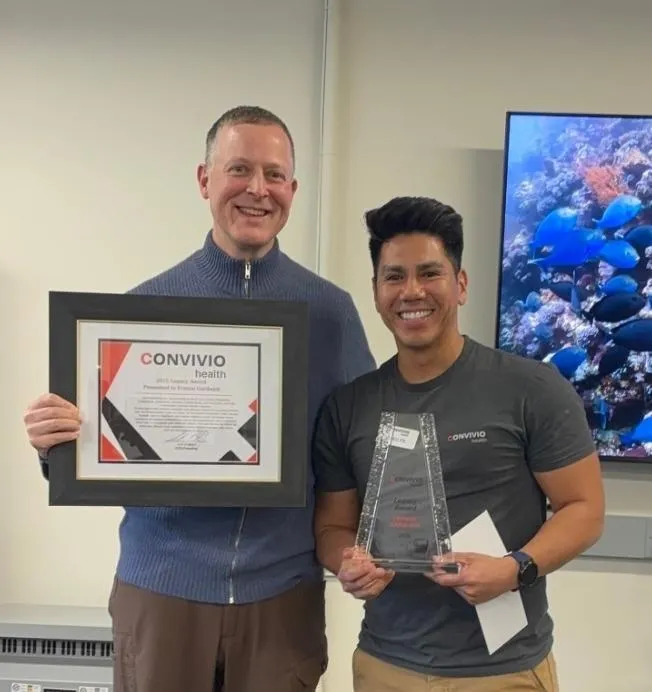
In Convivio Health’s SIMP Pain Management Program and BIRP Brain Injury Rehabilitation Program, Franco Garibaldi, PTA, LMT, brings a steady message: movement can be safe, progress can be real, and rehab can feel human. Franco is a Physical Therapist Assistant and Licensed Massage Therapist. He also has a fitness background and completed three years of osteopathic training in Spain, which shapes how he thinks about movement, recovery, and whole-person care.
Navigating the Emotional Load of Pain
Chronic pain rehabilitation feels hardest when pain changes your emotions, confidence, and daily routine. Many injured workers do not only battle pain. They also face stress, poor sleep, fear of re-injury, and loss of identity at work and at home.
Franco hears a common theme from patients: people close to them may not fully understand what they are going through. As a result, many feel alone. However, when they enter a group setting with others who have similar work injuries, something shifts. They see they are not the only person dealing with this problem. They also hear real stories from people who are further along in the program. That shared experience can bring hope.
This matters because chronic pain often affects the nervous system and the mind. Franco has worked across multiple programs, including pain management and work conditioning. When he moved into the brain injury program, he gained tools that helped him support regulation and focus. One key tool is breathing. Franco explains that breathing can help regulate the nervous system. It can also help control emotions, reduce symptoms, and improve relaxation. Then, once a person breathes better, movement often improves too.
Just as important, Franco brings joy to the room. He learned early that rehab starts because something went wrong. People did not choose this. So he tries to make the time in therapy feel different. He aims to help patients “fall in love with exercise,” so movement does not feel like punishment. He keeps a clear line of respect, yet he still makes room for fun.
Practical takeaway: If pain makes you fear movement, start by naming the problem. Pain affects your body and your mood. A good program should address both.
A Practical Path Forward
Chronic pain rehabilitation works best when the plan is progressive, patient-centered, and shared across the whole team. Progress happens when you build skills in small steps and repeat them until they stick.
Franco uses graded exercise progression. That means he helps patients start where they are and move forward with clear, safe increases over time. He also teaches proper body mechanics so patients can lift, carry, and move with greater confidence. Still, he does not pretend that the provider does all the work. He tells patients he can give direction, but the patient must put in the effort. In other words, results come from practice and follow-through.
Group rehabilitation therapy supports this process. From the patient side, groups help with the emotional load. People encourage each other. They celebrate small wins together. They also create community, which reduces isolation. From the provider side, groups allow patients to learn from real examples. Franco often asks permission to use a peer as an example. He might point out how someone started in the first week and what they can do now. That visible proof can build trust faster than words alone.
Patient education and trust also drive progress. Franco believes providers sometimes get too clinical and too rushed. They may only give sets and reps. Yet most patients need more. They need to understand how they are improving. They need a provider who listens to questions and explains the plan. When patients trust the “why,” they often commit to the “how.”
Breath work also supports this path. Franco learned in the brain injury program how breathing helps with emotional regulation. He then applied it across other programs. Breathing can help you settle the body before movement. It can also help you move with better control during exercise.
Practical takeaway: Ask your rehab team to explain the plan in plain language. Then practice one or two skills daily, like breathing and a simple strength move.
The Transformation or Results
Chronic pain rehabilitation can rebuild strength, balance, and confidence when you practice consistently and accept small wins as real wins. Recovery often looks like a series of steps, not one big leap.
Franco has seen incredibly positive changes in patients who show dedication. He describes a patient who arrived using a walker and struggled with balance and nervous system regulation. Over time, with techniques and steady practice, he saw him move from a walker to a cane, and then to no cane at all. He has also seen strength gains that surprised patients. In one example, a patient started lifting five pounds and later progressed to lifting 90 pounds. Franco emphasized that this patient’s incredible progress came from his engagement and consistency. It was more than just raw strength. The initial, gradual improvements in his body mechanics and pacing boosted his confidence, which in turn lessened his apprehension towards movement and exercise.
These wins matter because they often ripple into the emotional side. When people see proof that they can improve, they start to believe they can keep improving after the program. Franco points out that research alone does not convince every patient. Some people tune out a therapist’s clinical teaching when they feel overwhelmed. However, when they see another person’s progress in the same room, belief becomes easier.
Franco also teaches that movement is a long-term lifestyle. He shares a simple goal: stay active now so you can move well later in life and remain independent. He also warns about a common trap. Many people work hard but do not train their bodies well. As a result, they come home tired and cannot enjoy family life. With proper training, you can work, recover, and still have energy for living your life.
Practical takeaway: Track small wins weekly. For example, note and celebrate a little longer walk, a calmer breath, or a higher lift. Those wins build momentum.
About the Guest
Franco Garibaldi is a Physical Therapist Assistant and Licensed Massage Therapist at Convivio Health. He also has a fitness background and works with interdisciplinary teams supporting patients in SIMP Pain Management and BIRP Brain Injury Rehabilitation. Franco completed three years of osteopathic training in Spain, which informs his movement-focused, patient-centered approach to recovery.
About Convivio Health
Convivio Health provides rehabilitation services for injured workers in Washington State. The team uses an interdisciplinary approach, so patients receive coordinated support across disciplines and consistent messages during care.