SIMP Pain Management Program in Washington State | Convivio Health
Recovering after a work injury can stall even when you do everything right. The SIMP pain management program, Washington State, gives injured workers a structured way to rebuild function, reduce disability, and improve quality of life when pain keeps lingering.
Many workers try the standard steps first. They complete PT or OT. They may have injections, surgery, or medication. Yet pain still shapes their days. It can limit sleep, movement, and confidence. It can also make returning to work feel out of reach.
What the SIMP pain management program does for “stuck” pain
SIMP pain management helps you cope with chronic pain in ways that restore daily function and support a safe return to work. That matters because ongoing pain is not just a symptom. Over time, pain can change how you move, how you think about movement, and what you avoid. Avoidance can shrink your life. Then work, home tasks, and even basic routines feel harder.
SIMP stands for Structured Intensive Multidisciplinary Program. In simple terms, it is a team-based pain rehabilitation program with a clear schedule and clear goals. It focuses on skills you can use in real life.
SIMP can help if you notice patterns like these:
Pain stays high even after “usual” care
Daily tasks feel harder than they should
Fear of reinjury shapes your choices
You feel low confidence in your body
You cannot see a clear path back to work
A key idea from the program team is this: “We teach patients how to fix themselves over time.”
Who the SIMP program is for
SIMP fits injured workers who finished earlier treatments and still have pain that limits function at home and at work. This matters because SIMP works best when it matches the right person at the right time.
Many SIMP candidates have already tried a wide range of care. That can include therapy, injections, surgery, and counseling. Then pain still limits daily life.
SIMP is often a good fit when:
You have lasting pain that limits function
You already tried conservative care and or surgery
You want to return to life and work, but fear and symptoms block you
You feel “stuck” and need a structured plan
SIMP is not for everyone. The team says this plainly: “Not everyone is a good candidate.”
If SIMP is not the right fit, the team should explain why and guide the next steps. That protects your time and helps your claim stay focused on care that matches your needs.
How the SIMP evaluation works
SIMP programs evaluate you with a multidisciplinary team, then make a team decision about fit and next steps. This matters because pain is rarely only physical. Stress, fear, work demands, and life barriers can all shape pain and recovery.
The evaluation often includes psychology, PT or OT, vocational counseling, and medical oversight. Then the team meets and decides together if SIMP is appropriate and why.
A solid SIMP evaluation should answer clear questions:
What limits the function right now?
What barriers keep you from progress?
What goals matter most for daily life and work?
What risks need attention, such as fear or low confidence?
What supports will help you follow the program schedule?
After the evaluation, the clinic typically sends a report to the key stakeholders on the claim and requests authorization if SIMP is recommended. If travel or lodging is a barrier, the team may also help plan for that.
What a SIMP day looks like and why it works
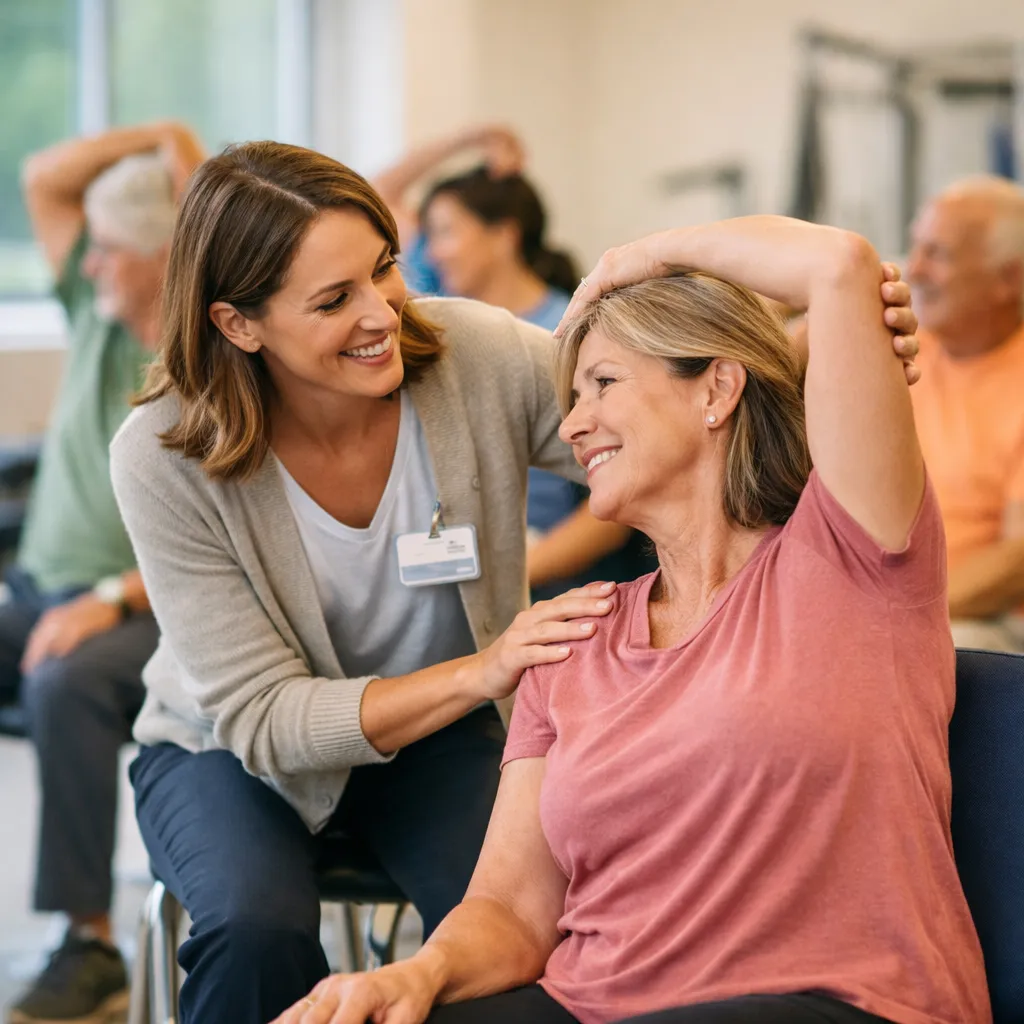
A SIMP day blends education, movement, and real-life practice so you can rebuild function with support. This matters because pain can train you to avoid. SIMP helps retrain your habits in a safer way, with a team and peers around you.
While details vary by clinic, many SIMP days include:
Morning
Psychology or vocational education
Pain education
Gentle movement such as stretching or yoga
Afternoon
Job simulation or task practice
Home task training
Body mechanics and pacing practice
Strength and conditioning
SIMP is often group-based. That can help reduce isolation. It can also help normalize the struggle. When you see others facing similar barriers, you may feel less alone and more willing to try.
Why home task training matters
Home tasks can be the hidden wall in return to work. If cooking, laundry, or dressing feels overwhelming, work can feel impossible.
The team ties it together like this: if you can manage tasks at home again, you can start to picture managing a workday too. Small wins build confidence.
What if you are not ready to return to work after SIMP?
Even if you do not return to work right away, SIMP can still teach skills you can use later. This matters because recovery is not always linear. Some workers face high stress, fear, or hard job dynamics. Others face real barriers that take time to resolve.
The team describes this as “planting seeds.” Skills you learn in SIMP can help you months later, especially if you keep practicing.
If you feel discouraged, these steps can help:
Keep your SIMP materials and use them weekly
Track function, not only pain
Practice pacing - do a little, rest, repeat
Ask your provider what the next best step is
What to do next if you think SIMP may help
If you feel stuck after standard care, ask your attending provider about SIMP and request an evaluation. This matters because SIMP is specialized care. Many workers do not hear about it until late.
Here are the simple next steps:
Tell your provider you feel stuck and give real examples
Ask if SIMP is appropriate for your claim
Ask what the evaluation process looks like
If travel is a barrier, ask what support may exist
If SIMP is the right fit, the program should explain the schedule, expectations, and goals in plain language before you start.
Conclusion: a clearer path out of the pain cycle
The SIMP pain management program, Washington State helps injured workers break the “stuck in pain” cycle by teaching skills that restore function and confidence. It does this through structured phases, a team evaluation, and daily practice that matches real life, not just the clinic.
If you have tried PT, injections, surgery, or medication and still feel stuck, SIMP may offer a different kind of progress. Start by telling your provider what daily life looks like right now. Then ask if a SIMP evaluation makes sense for your claim. Even if SIMP is not the right fit today, the process can still clarify your next best step.
About Convivio Health
Convivio Health provides specialized rehabilitation programs that support recovery after injury and help people return to daily function and work. The team coordinates care across disciplines to keep progress clear, connected, and practical.