SIMP Pain Management Program for Injured Workers in WA
Recovering from a work injury can feel overwhelming. Many workers try every recommended treatment. They follow through with therapy, surgeries, and medications, yet still feel stuck with pain. When healing slows, it affects more than the injury itself. It changes daily routines, confidence, and the ability to return to work.
The SIMP Pain Management Program Washington State was designed to help injured workers in this exact situation. Convivio Health leaders Anna Hausermann, SIMP Program Director, and Anu Kalpathi, Director of Operations, explain how the program supports people who need a structured and guided path forward.
This blog breaks down what SIMP is, who it helps, and why it can make a real difference for workers across Washington.
A Clear Problem: Pain That Stays After Standard Care
Many injured workers complete surgery, injections, PT, OT, and counseling, but still live with daily pain. These workers often feel unsure of their next step. They want to return to work but can’t see how to get there.
Anna explains that SIMP is for workers who have already finished earlier treatments and still struggle with:
Ongoing pain
Difficulty with daily tasks
Feeling stuck in their recovery
Fear of reinjury
Low confidence
SIMP helps workers learn how to manage their symptoms in real life, instead of relying on a medical “fix.” As Anna says, “We teach patients how to fix themselves over time.”
A Structured Program Built for Real Progress
Understanding the Structured Intensive Multidisciplinary Program (SIMP) in WA
Washington State L&I supports a unique two-phase system to help workers regain control and move forward.
The Intensive Phase
Four weeks
Five days per week
Six hours per day
Mix of education, movement, and skill practice
Workers learn about:
Pain science
Body mechanics
Sleep
Pacing
Conditioning
Nervous system regulation
Confidence building
The Follow-Up Phase
Two days per week
Four more weeks
Focus on using learned skills at home and toward work
This second phase helps carry learning into daily life. It gives workers time to practice skills in a supported way.
How Workers Are Evaluated for SIMP
Every worker receives a full evaluation. They meet with psychology, PT or OT, vocational counseling, and medical oversight. After the evaluation, the team meets to discuss the worker’s needs and whether SIMP is the right fit.
As Anu explains, “Not everyone is a good candidate.” If SIMP is not appropriate, the team sends clear guidance back to the provider and claim manager.
This protects the worker’s time and ensures the right type of care is recommended.
Starting the SIMP Journey
If someone is appropriate for SIMP, Convivio Health:
Sends a detailed report to the provider and claim manager
Requests authorization from L&I
Contacts the worker to set up scheduling
Helps arrange lodging or transportation when needed
Workers across the state can access this care thanks to L&I’s support of travel and lodging requests.
What a SIMP Day Looks Like
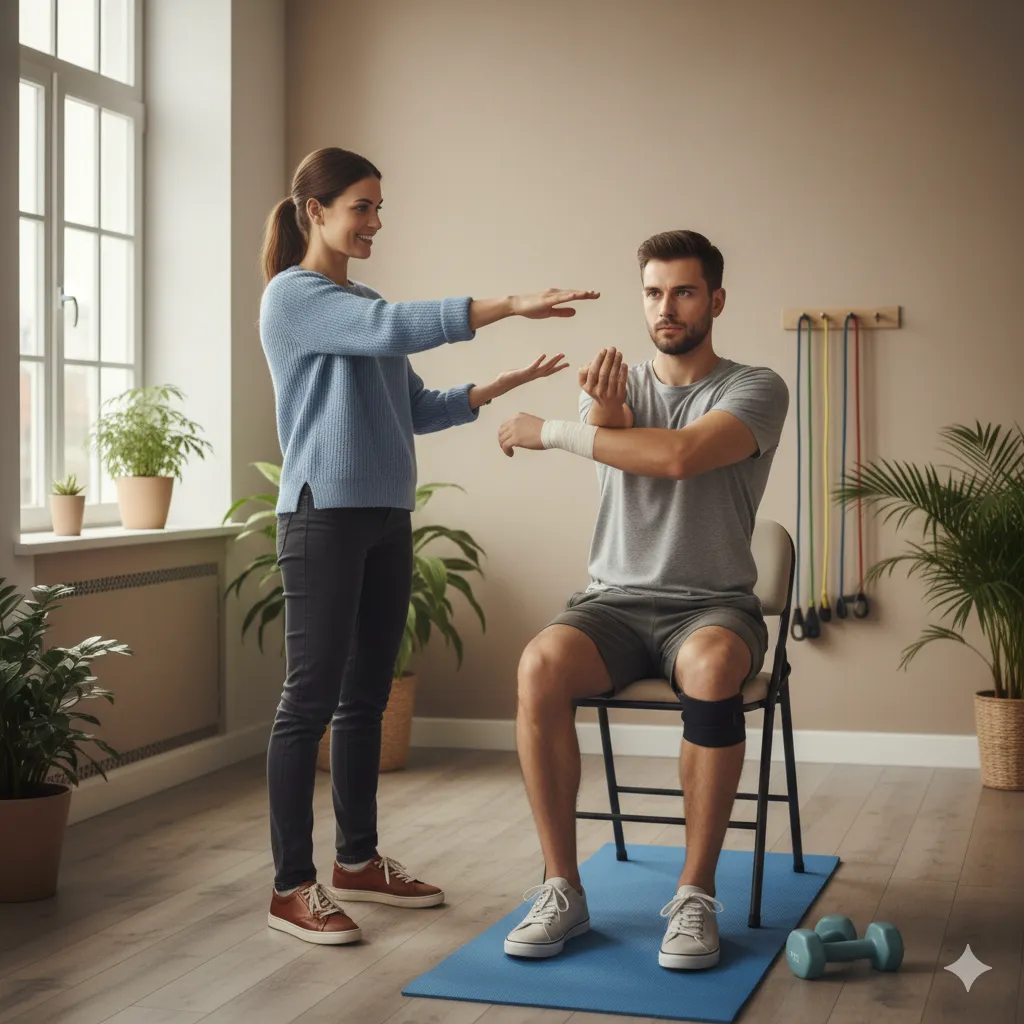
A typical day blends learning, movement, and practice.
Morning
Psychology or vocational classes
Pain education
Gentle stretching or yoga
Afternoon
Job simulation
Home task training
Body mechanics and pacing
Strengthening and conditioning
The program is group-based. Workers move through the day with peers who understand similar challenges. This structure helps reduce fear and build trust.
Why Daily Task Practice Matters
Pain affects much more than work. Many workers struggle to cook, do laundry, clean, or get dressed. If home routines feel overwhelming, returning to work feels impossible.
Anna explains, “If I can do laundry at home now, I can go to work.”
Home task training builds confidence. Workers learn small, practical steps to help them feel capable again.
A Real Example of Hope: Progress With CRPS
Anna shared a story about a worker with Complex Regional Pain Syndrome (CRPS). Before her injury, she dressed professionally and wore heels to work every day. This was a big part of her identity. After developing CRPS, she could not tolerate any shoes on her foot.
SIMP used graded motor imagery, desensitization, and laterality training to help retrain her brain and calm her nervous system. By the end of the program, she could stand in her heels again. She wasn’t walking in them yet, but she felt hopeful.
This moment helped her reconnect with who she was before her injury.
When Workers Are Not Ready for Return to Work
Some workers still face challenges after SIMP. Pain, stress, past job experiences, or fear of returning to work can make progress harder. For these workers, the program focuses on planting seeds for later growth. Skills learned in SIMP can help people months or even years down the road.
Anna explains that SIMP also helps workers understand when the medical part of the claim has reached a natural stopping point. This reduces the pressure to chase more procedures that may not help.
This shift can change someone’s life. It allows them to move forward instead of feeling stuck.
Guidance for Providers
Providers who are not familiar with SIMP can:
Visit the Washington L&I SIMP webpage
Request information from Convivio Health
Ask about individual patient needs
Invite Convivio for an education session
Anu notes, “The more information providers have, the better it is. It’s a win–win for everyone.”
SIMP is available to workers covered by L&I and workers under self-insured employers. This makes it accessible to anyone with a work injury in Washington.
A New Path for Injured Workers
The SIMP Pain Management Program Washington State gives injured workers a way to move forward when standard treatments are not enough. It teaches practical skills, builds confidence, and helps people return to daily routines with more control and less fear.
For many, SIMP opens the door to hope, progress, and a clearer path toward the future.
About the Guests
Anna Hausermann is the SIMP Program Director at Convivio Health and an occupational therapist with extensive experience in multidisciplinary pain rehabilitation. She supports workers through functional restoration and nervous system education.
Anu Kalpathi is the Director of Operations at Convivio Health and a licensed physical therapist. She oversees program access, quality, and coordination while supporting care across multiple disciplines.