

How SIMP Pain Management Supports Recovery After a Work Injury
Many injured workers struggle with pain long after the original injury heals. SIMP pain management helps injured workers improve function, manage chronic pain, and rebuild confidence during recovery.
Pain affects more than the body. It can disrupt sleep, lower energy, increase stress, and make daily activities feel harder. As a result, some workers feel stuck between treatment and returning to work. At Convivio Health, the Structured Intensive Multidisciplinary Pain Program (SIMP) helps injured workers in Washington State take practical steps forward through coordinated care and evidence-based treatment.
This article explains how SIMP pain management works, why movement matters, and how interdisciplinary care can support long-term recovery after a work injury.
Chronic Pain Can Affect Every Part of Recovery
Chronic pain often changes how people move, think, sleep, and respond to daily stress. Over time, pain can become a major barrier to healing and return to work rehabilitation.
Many injured workers feel frustrated when symptoms continue after standard treatment. In some cases, fear of pain causes people to avoid movement. As activity decreases, strength, mobility, and confidence may also decline. This cycle can make recovery feel overwhelming.
At Convivio Health, the SIMP program recognizes that chronic pain recovery requires more than one type of treatment. Instead of focusing only on symptoms, the program looks at the whole person and how pain affects daily life.
Pain can also affect emotional well-being. Sleep problems, stress, isolation, and reduced activity often happen alongside physical symptoms. Therefore, successful treatment must address both physical and psychological challenges.
The SIMP program helps injured workers better understand pain and develop practical self-management strategies. Through education, guided activity, and supportive care, patients begin to rebuild trust in their bodies again.
SIMP Pain Management Uses Coordinated, Interdisciplinary Care
SIMP pain management combines multiple specialties into one coordinated treatment program. This interdisciplinary pain treatment approach helps injured workers improve function in a structured and supportive environment.
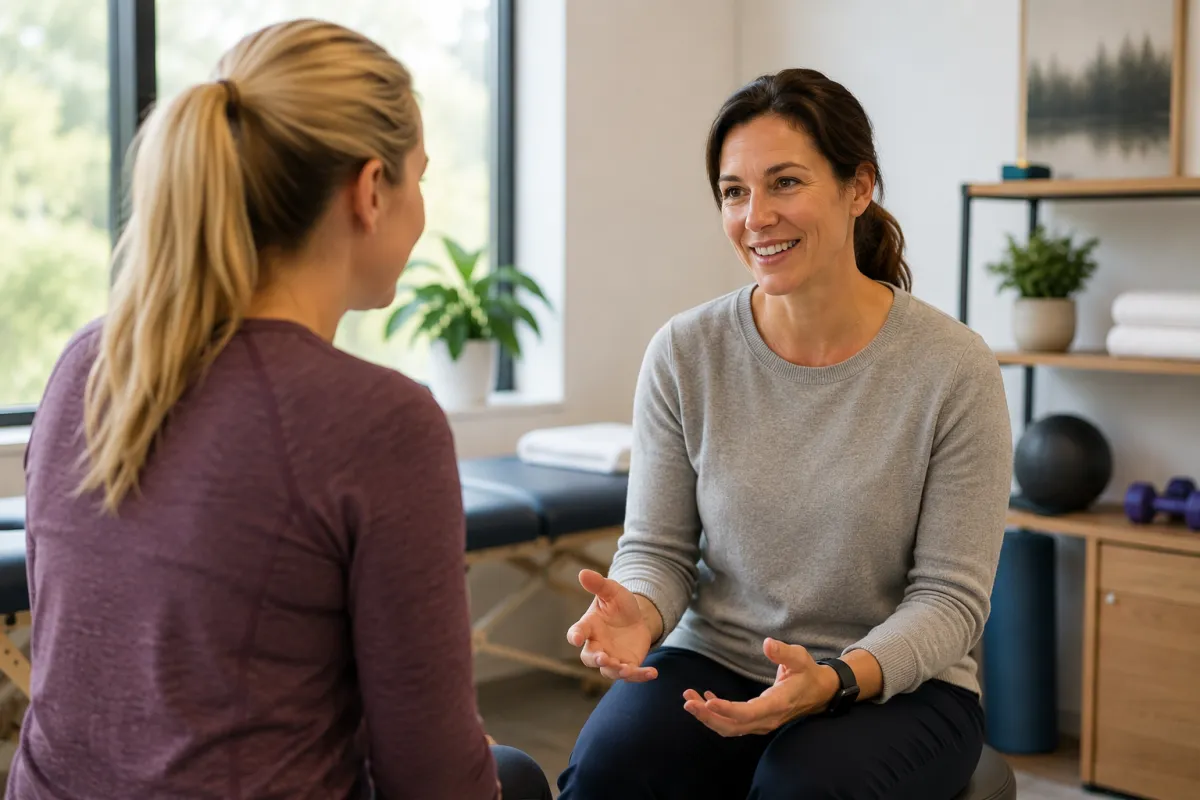
At Convivio Health, providers work together to create a personalized treatment plan. The program may include physical therapy, occupational therapy, psychology, medical oversight, vocational support, and other evidence-based services.
Movement plays an important role in treatment. Many injured workers reduce activity because they fear worsening pain. However, guided movement often helps improve flexibility, circulation, endurance, and confidence over time.
The program may also include supportive treatments such as massage therapy, chiropractic care, meditation, or relaxation techniques when appropriate. These services help support overall comfort and function while patients continue progressing toward recovery goals.
In addition, psychologists help patients build coping skills and reduce the emotional strain that chronic pain can create. Vocational professionals also help identify barriers that may affect the return-to-work process.
Because the care team works together, patients receive consistent guidance across all parts of treatment. This coordinated structure helps injured workers stay focused on meaningful progress instead of isolated symptoms.
Recovery Often Improves When Workers Learn New Strategies for Pain
Many injured workers make progress when they learn how to respond differently to chronic pain. SIMP pain management helps patients develop skills that support long-term function and daily activity.
Pain does not always disappear immediately. However, recovery can still move forward when patients improve strength, endurance, movement tolerance, and self-management skills. This shift often helps workers feel more capable and confident again.
The SIMP program encourages gradual progress through structured activity and education. Patients learn how pacing, breathing, posture, movement, and stress management may influence symptoms during daily life.
As function improves, many workers begin participating more fully in family life, physical activity, and work-related tasks. In many cases, interdisciplinary pain treatment also helps reduce fear and uncertainty surrounding movement and recovery.
Most importantly, injured workers do not face the process alone. The coordinated team approach at Convivio Health provides guidance, encouragement, and practical support throughout treatment.
For workers' compensation pain treatment, this type of comprehensive care can create a clearer path toward long-term recovery and return to work rehabilitation.
Conclusion
SIMP pain management helps injured workers address the physical and emotional challenges connected to chronic pain after a work injury. Through coordinated care, guided movement, education, and self-management strategies, many workers regain function and improve quality of life.
At Convivio Health, the goal is not simply to reduce symptoms. The goal is to help injured workers build confidence, improve daily function, and move forward with greater independence.
If chronic pain has become a barrier to recovery, a structured interdisciplinary approach may help create the next step forward.
About Convivio Health
Convivio Health provides interdisciplinary rehabilitation services for injured workers in Washington State. Programs include SIMP pain management, brain injury rehabilitation, occupational medicine, physical therapy, psychology, and return-to-work rehabilitation services. The organization focuses on coordinated, evidence-based care designed to help patients improve function and safely return to daily life and work.