
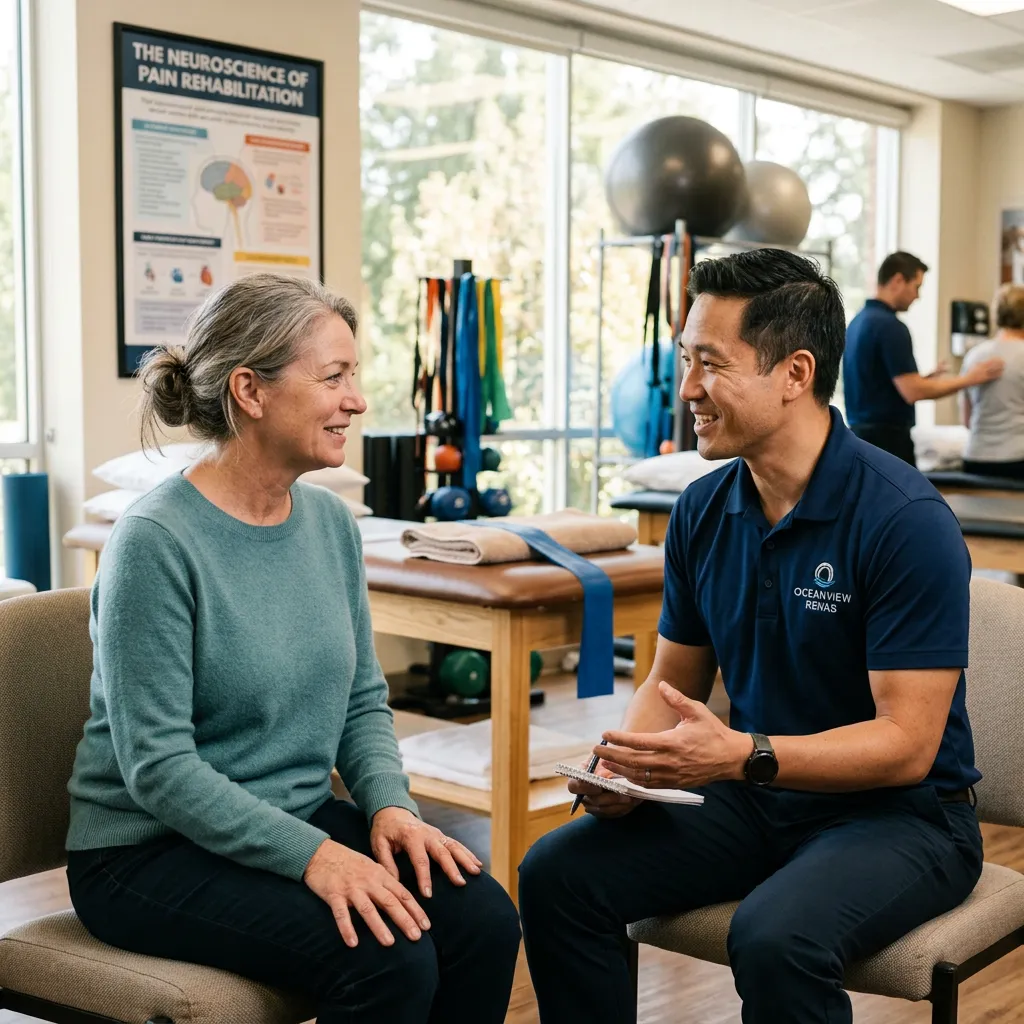
Starting a Pain Rehabilitation Program: What to Expect
Being referred to a structured pain rehabilitation program is a significant step. For many injured workers, it comes after months of trying other treatments. That history can make starting something new feel daunting, even when it is the right move.
The first week is often the hardest, not because the program is punishing, but because it is unfamiliar. Knowing what to expect can make that transition easier.
What the Program Actually Looks Like
A Structured Intensive Multidisciplinary Pain program, or SIMP, is not like individual therapy appointments. Instead of seeing one provider for one hour and going home, you attend a full day of coordinated treatment across multiple disciplines.
The team typically includes physical therapists, occupational therapists, behavioral health specialists, and physicians who are all working from the same care plan. Each day includes movement, education, and skill-building components designed to reinforce each other.
The schedule is intensive by design. Research and clinical experience have consistently shown that concentrated, consistent treatment produces better outcomes for chronic pain than spread-out care. The gains from one session carry into the next, rather than eroding between appointments.
The First Few Days
Most people feel physically tired in the first week. That is expected. After months of guarded movement and limited activity, your body is being asked to work in new ways. Soreness is not a sign that something is wrong. It is a sign that the program is engaging muscles and patterns that have been underused.
The first few days can also feel emotionally heavy. Being in a room with other people going through recovery, working with a team, and facing your own relationship with pain can bring up complicated feelings. That is normal. You do not have to arrive feeling optimistic. You just have to show up.
The care team is used to meeting people at this stage. They are not expecting you to come in with momentum already built.
What You Can Do to Prepare
Practical preparation helps. Before you start, it is worth thinking through a few things.
Transportation matters for a full-day program. Knowing your route and having a backup plan removes one potential disruption from the beginning.
Rest also matters. Many people try to pack in obligations the night before or stay up late worrying. Coming in rested, even if sleep was not perfect, makes the first day go better.
It can help to bring a notebook. There is a lot of information in the first week. Writing things down means you can go back to it later when you are not trying to absorb it all at once.
Leave your phone in your bag as much as the schedule allows. The techniques you will learn for managing pain, pacing your activity, and calming your nervous system require practice. It is hard to practice with one eye on a screen.
When It Gets Hard
There will be a point in the first week when you wonder if this is working. That moment is common. It is not a signal to quit.
Structured pain programs ask you to do things that feel counterintuitive, particularly around movement. Increasing activity when pain is present does not mean ignoring pain. It means learning to understand it differently, learning to distinguish between discomfort that is part of recovery and signals that need a clinical response. Your team will help you navigate that distinction.
One thing that can trip people up early is the tendency to push too hard on a good day and then rest too long when pain returns. This pattern, called the boom-bust cycle, often makes chronic pain harder to manage over time. The program will address this directly, but starting to notice it in yourself during the first week gives you a head start. If you want to read more about how pacing affects recovery, this post on boom-bust patterns explains the concept in plain terms.
What Progress Looks Like Early On
Progress in the first week usually does not feel like less pain. It tends to look more like this: you got through a full day. You tried something the therapist asked you to try. You noticed a thought pattern that was keeping you stuck. You slept a little better than you have in weeks.
Those are real outcomes. Recovery from complex pain rarely moves in a straight line. The team is tracking your functional progress across the program, not just how you feel on any given afternoon.
If fear of re-injury has been part of your experience, you are not alone in that. Many patients entering a pain program carry significant anxiety about movement and what it means for their injury. That concern is taken seriously in the program and worked through with your behavioral health support.
Working with Your Workers' Compensation Claim
Being in a structured program while navigating a workers' compensation claim through L&I adds another layer. It helps to know that the program's clinical team is experienced with the L&I process. They communicate with your claim manager, document your progress, and can answer questions about how the program fits into your overall claim status.
If questions come up about your claim during treatment, your care coordinator is the right first point of contact. They can help clarify what your program involvement means for your claim and connect you with the right people if something needs follow-up.
The Point of All of It
A structured intensive pain program is not asking you to push through pain and pretend it is not there. It is asking you to learn to relate to pain differently, build the capacity to function despite it, and develop skills that go with you after the program ends.
That is a different kind of treatment than most injured workers have experienced before. It takes time to understand why each piece of it matters. By the end of the first week, most people start to see the shape of what is being built.
If you have questions about whether a structured pain program is the right next step for your recovery, reach out to the Convivio Health team and someone will follow up with you directly.