When Pain Won’t Improve: SIMP Pain Management
A chronic pain rehabilitation program helps when pain does not improve with standard care by restoring function instead of chasing pain relief. When treatments stop working, repeating them often delays recovery.
Most injured workers feel stuck after months or even years of care. You may have tried therapy, medications, or even surgery, yet your pain and function have not improved. This pattern is common when recovery stalls and symptoms persist.
Tom Louwers, Medical Director at Convivio Health, explains that the solution is not more of the same care. Instead, patients need a structured, multidisciplinary approach that focuses on movement, function, and long-term recovery.
In this post, you will learn why recovery stalls, when to consider SIMP, and how a chronic pain rehabilitation program helps you move forward.
When Pain Doesn’t Improve, It Signals a Different Approach Is Needed
When pain does not improve after standard treatment, it often means the current approach is no longer effective. Continuing the same care can keep you stuck.
Many injured workers expect pain to decrease first. However, that expectation can slow recovery. Dr. Louwers explains that patients often focus on pain relief, but that focus can become a barrier to progress. Over time, pain can limit movement, reduced movement can weaken function, and lower function can increase pain sensitivity. As a result, many patients feel isolated, frustrated, and unsure what to do next.
This is where a chronic pain rehabilitation program becomes important. Instead of treating symptoms in isolation, it addresses the full picture - physical, psychological, and functional. To understand more, explore what a SIMP (Structured Intensive Multidisciplinary Program) is and how patients get unstuck from chronic pain. These related resources help explain why some patients stop improving and why a structured program can help them move forward. You can also explore non-opioid solutions for chronic pain alongside this approach.
Practical takeaway: If your pain has not improved after months of treatment, it may be time to change the approach instead of repeating the same care.
A Chronic Pain Rehabilitation Program Focuses on Function First
A chronic pain rehabilitation program improves recovery by restoring function first, which then helps reduce pain. This approach can feel surprising at first, but it is central to how SIMP works.
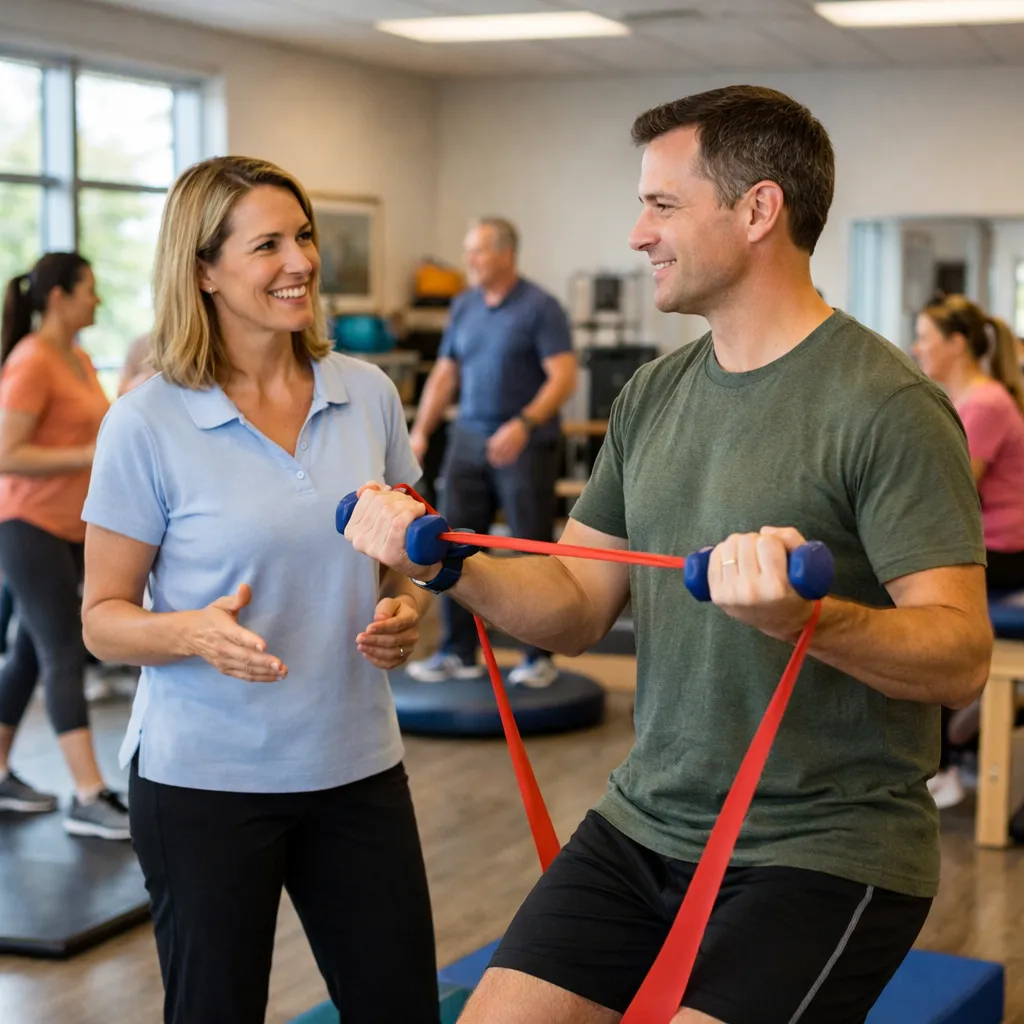
Instead of waiting for pain to fade before moving, patients begin moving within safe limits. Over time, this builds tolerance, strength, and confidence. Dr. Louwers explains that the team works on restoring function first because, in many cases, pain begins to improve as function improves.
At Convivio Health’s SIMP program, this process is structured and guided. Patients take part in supervised therapy, real-life functional tasks, and coordinated support from multiple disciplines. The team includes providers who work together, not separately, so patients receive a more unified plan of care. Patients also learn practical tools that support recovery, including movement strategies, pacing, and ways to manage stress responses that can intensify pain.
You can also explore who is a good fit for SIMP, how movement helps restore function, and how the nervous system affects pain recovery. Together, these topics show why function-based care often succeeds when symptom-based care has stalled.
Practical takeaway: Recovery often improves when you focus on what your body can do, not only on what it feels.
The Right Program Can Help You Rebuild Your Life, Not Just Reduce Pain
A chronic pain rehabilitation program helps you regain independence, confidence, and daily function - not just lower pain levels. That is what meaningful recovery looks like.
Patients often begin SIMP with limits in basic daily tasks. However, many leave the program with better movement, stronger tolerance for activity, improved sleep, and more confidence in daily life. Dr. Louwers also notes that patients often improve their ability to lift, bend, squat, walk, and perform real-life activities that support both work and home life.
These changes matter because recovery is not only about work capacity. It is also about reconnecting with family, routines, hobbies, and a sense of normal life. Many people with long-term pain become physically and emotionally isolated. A structured program helps break that cycle and supports functional recovery after injury in a practical, supported way.
Practical takeaway: The real goal is not only less pain. The goal is getting your life back.
Conclusion
A chronic pain rehabilitation program can be the right next step when recovery stalls and pain does not improve with standard care. It shifts the focus from temporary symptom relief to steady functional progress.
Instea
d of repeating treatments that no longer work, SIMP gives injured workers a structured path forward. With coordinated care, a multidisciplinary rehabilitation program, and a focus on function, patients can begin making progress again. The sooner this shift happens, the sooner recovery can move in a better direction.
If your patient isn’t improving, here’s when to consider SIMP
About the Guest
Tom Louwers is the Medical Director at Convivio Health. He works in occupational medicine and helps guide patients through structured rehabilitation programs designed to restore function after injury.
About Convivio Health
Convivio Health provides coordinated rehabilitation services for injured workers, including SIMP and brain injury rehabilitation program services. Its care model brings multiple disciplines together to support practical recovery, return to work, and long-term function.